Your Team, Plus a Digital Workforce That Never Stops
Digital Assistants handle the volume. Your team handles the work that actually needs them. That's a Hybrid Workforce, and it changes what your business can do with the same headcount.

Your People and
Your Digital Assistants, Working in Concert
When Intelligent Automation is running across your business, something shifts. It's not just that certain tasks are faster. It's that the nature of your workforce changes.
Your people stop doing the work that machines can handle, and start doing more of the work that only they can do. The result is a Hybrid Workforce: human staff and Digital Assistants operating in concert, each doing what they do best.
This Changes The Work Your Team Does.
And How Much of It They Do.
In a Hybrid Workforce, Digital Assistants handle the volume: the repetitive, time-consuming, error-prone work that currently fills too much of your team's day. Your people focus on the exceptions, the relationships, the judgment calls, and the work that requires their expertise.
Digital Assistants handle
Data entry, document processing, report generation, system updates, routine communications, reconciliations, scheduling, and any other structured, repeatable task.

Your team focuses on
Client relationships, complex decisions, exceptions and escalations, strategy, oversight of automated workflows, and the work that genuinely requires human expertise.
Not Replacing People.
Changing What People Do.
A common concern about automation is job displacement. In practice, Valenta clients find the opposite: their teams become more effective, not smaller. The same headcount produces significantly more output, doing higher-value work.
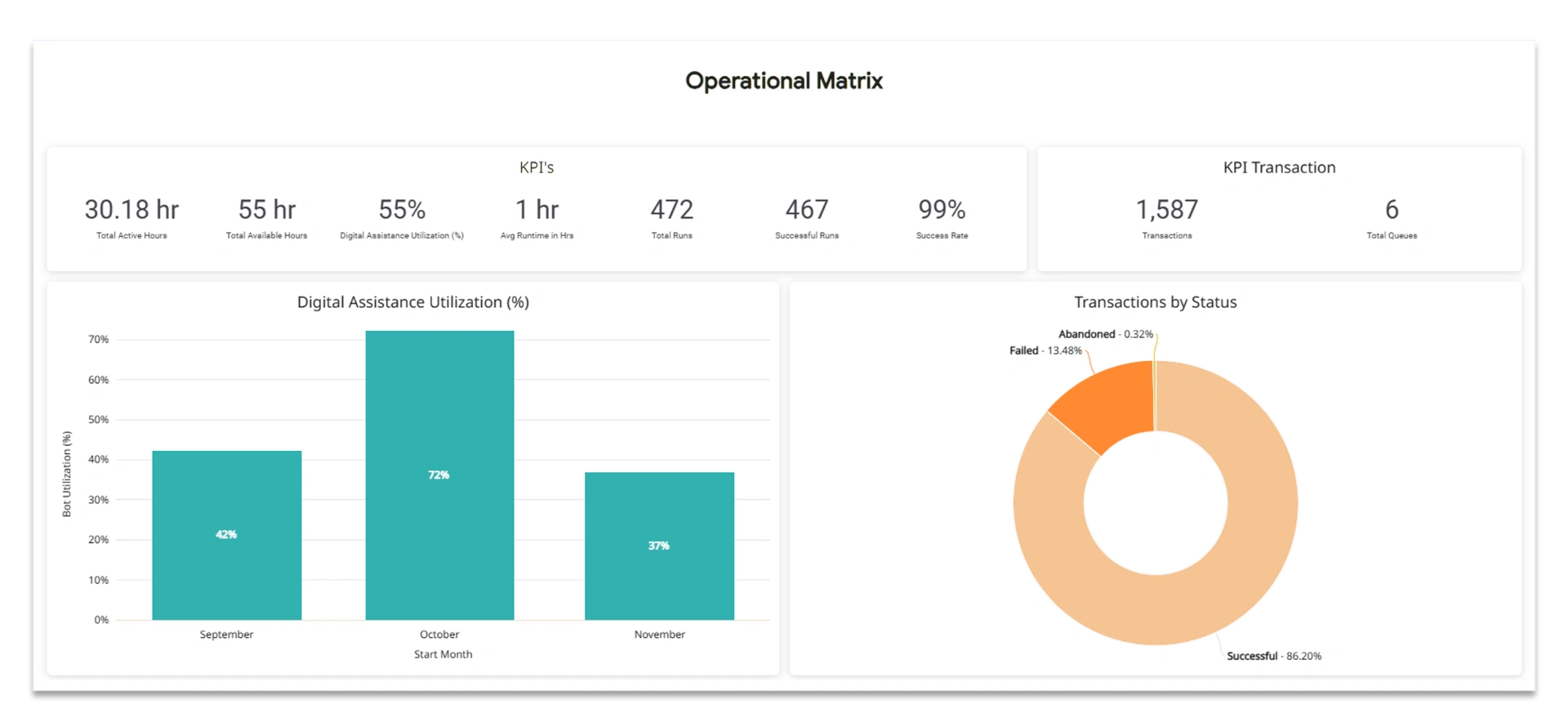
Digital Assistants are deployed into your existing workflows
Valenta builds and manages automations that integrate into your current systems. Your team doesn't change how they work. They just stop doing the parts that don't need them.
Human oversight is built into every workflow
Exceptions, edge cases, and high-stakes decisions are automatically routed to the right person. Your team reviews and approves where their judgment adds real value, and the automation handles the rest.
Your Digital Workforce scales with your business
As your business grows, your Digital Assistants scale with it. Adding volume doesn't mean adding headcount. It means getting more from the automation that's already running.
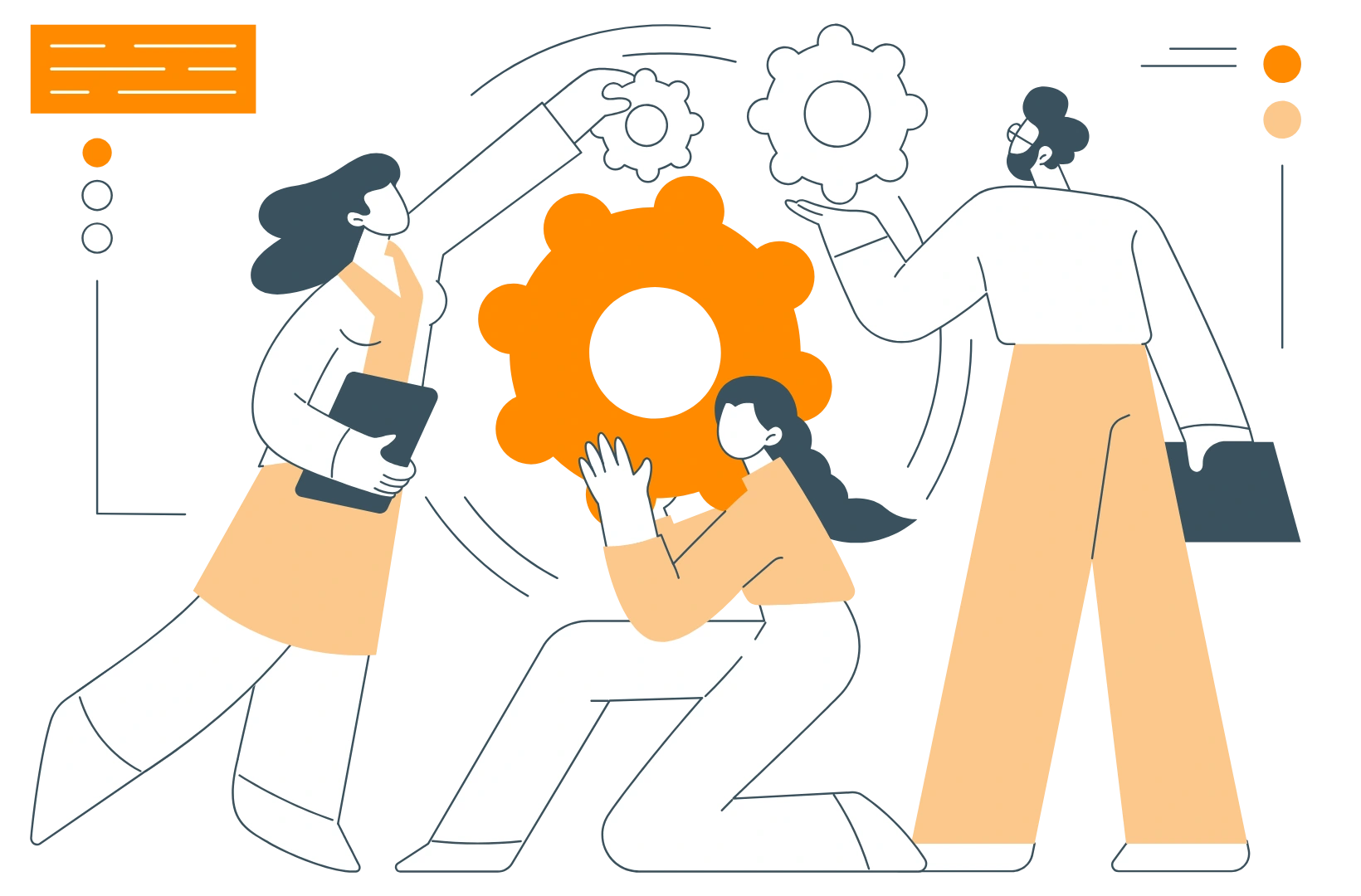
A More Capable Operation with the Same Team
Valenta clients running a Hybrid Workforce model typically see:
- •Significant reduction in time spent on manual, repetitive tasks
- •Faster processing times across automated workflows
- •Lower error rates on data-intensive processes
- •Staff reporting higher job satisfaction as their work becomes more meaningful
- •Capacity to grow without proportional headcount increases
Valenta Manages
Your Digital Workforce on Your Behalf
You don't need automation developers on your payroll. You don't manage automation licenses. You don't deal with what happens when a process changes or an exception breaks the workflow.
Valenta operates your Digital Assistants as a managed service, monitoring performance, handling exceptions, updating logic, and expanding the workforce as your needs grow.
Client Spotlight MWA

Our Partnership with Valenta has allowed us to outsource key processes which has significantly increased our operational efficiency. They work closely with our team to understand our needs and streamline workflows effectively. As our business has expanded, Valenta has kept up with our growth and responded swiftly to our evolving resourcing requirements.
Hybrid Workforce FAQ
A Hybrid Workforce is an operating model in which human staff and Digital Assistants — automated workflows managed by Valenta — work together within the same business. Digital Assistants handle the high-volume, repetitive, and data-intensive work that doesn't require human judgment. Human staff focus on the work that does require their expertise: client relationships, complex decisions, exceptions, oversight, and strategy. The result is a more capable operation without a proportional increase in headcount.
Valenta clients typically find that automation changes what their team does, rather than reducing how many people they employ. The same team produces more output, handles more clients, processes more transactions, and operates with fewer errors — without needing to grow headcount to match growth in volume. In most cases, automation allows businesses to scale their operations without scaling their staffing costs proportionally, rather than eliminating existing positions.
Digital Assistants is the term Valenta uses for the automated workflows and AI agents it builds and manages on behalf of clients. A Digital Assistant might handle invoice processing, respond to customer inquiries, generate weekly reports, process payroll data, or manage data transfers between systems — depending on what the business needs. They operate continuously, do not make errors on the tasks they are configured for, and are monitored and maintained by Valenta as part of the managed service.
Digital Assistants and human staff interact through structured handoff points built into every workflow. Routine items are handled entirely by the Digital Assistant. Items that require human review — exceptions, high-stakes decisions, or outputs below a confidence threshold — are automatically routed to the appropriate person with the relevant context pre-populated. Human staff review and approve these items, then the workflow continues. The division of work is determined by the nature of each task, not by a fixed rule.
Yes. The Hybrid Workforce model is well suited to small and mid-sized businesses precisely because it allows them to scale operational capacity without proportional headcount growth. A small accounting firm, for example, can handle a growing client base without hiring additional data entry or processing staff, because Digital Assistants absorb the volume increases. Valenta's managed service model also removes the need for internal technical resources to implement and maintain the automation, making it accessible to organizations without dedicated IT or operations teams.
Start with the Right Hire and the Right Process, in the Right Order
Building a Hybrid Workforce starts with identifying which tasks are best handled by Digital Assistants, and which should stay with your team. The Automation Assessment maps this for your business and gives you a practical roadmap.
Book Your Complimentary Automation Assessment→